
When parents ask why their child settles faster and sticks with homework after starting martial arts, the answer lies in executive function—the brain’s system for attention, self-control, and flexible thinking. Traditional training requires kids to hold multi-step combinations in mind, switch stances on cue, and inhibit impulsive movements. Those demands exercise working memory, cognitive flexibility, and inhibitory control, the same skills teachers rely on in class (Lakes & Hoyt, 2004; Diamond & Lee, 2011). Over weeks of consistent practice, discipline becomes a habit, and focused effort starts to feel natural—not forced.
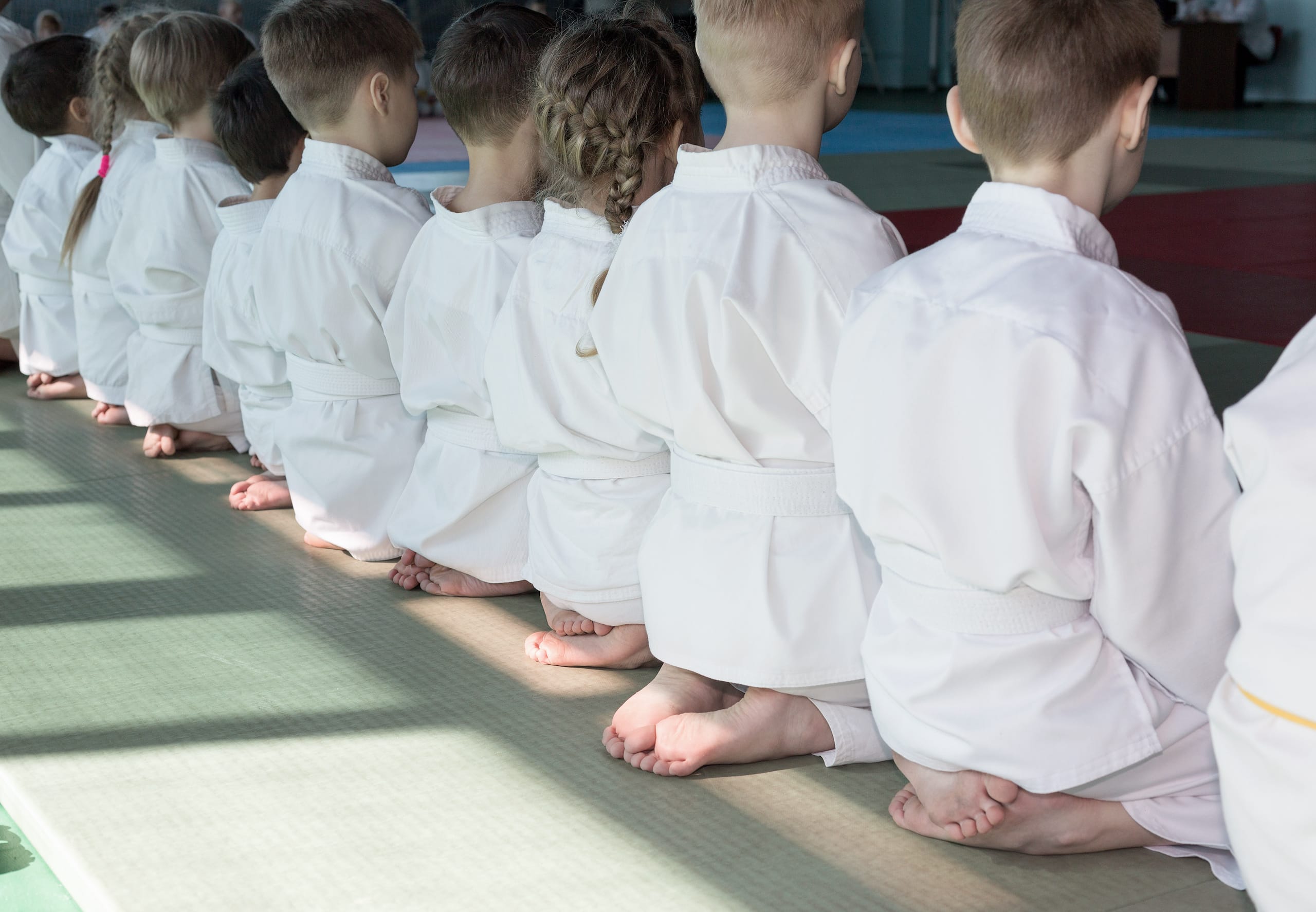
Beyond skill drills, the dojo builds focus through structure and regulation. Bowing in, lining up, and responding to concise instructions reduce uncertainty and help prioritize tasks. Breath cues and posture resets calm arousal so students can re-center before the next challenge, a strategy that also eases test anxiety. Regular moderate-to-vigorous activity is strongly linked to better on-task behavior and readiness to learn (Donnelly et al., 2016), and even brief bouts of exercise can sharpen attention in children who struggle with distractibility (Pontifex et al., 2013). When programs emphasize respect and self-control, classroom conduct improves alongside confidence (Zivin et al., 2001; Vertonghen & Theeboom, 2010).
At Silverback Kids Martial Arts, we make this transfer deliberate. Our kid-first, full-time model—no adult classes—centers Goju Ryu Karate with Brazilian Jiu-Jitsu and Muay Thai to challenge coordination, problem solving, and resilience. Students progress through a leadership pathway, from assisting to coaching with real feedback, while the TROOP Code (Teamwork, Respect, Ownership, Overcoming Obstacles, Perseverance) guides every session. The result is a safe, supportive environment where confidence grows, focus strengthens, and positive habits carry straight into the school day. Ready to see the difference in the classroom? Book a trial and watch focus flourish.


